Instant Download | Lifetime Access to our Bundles

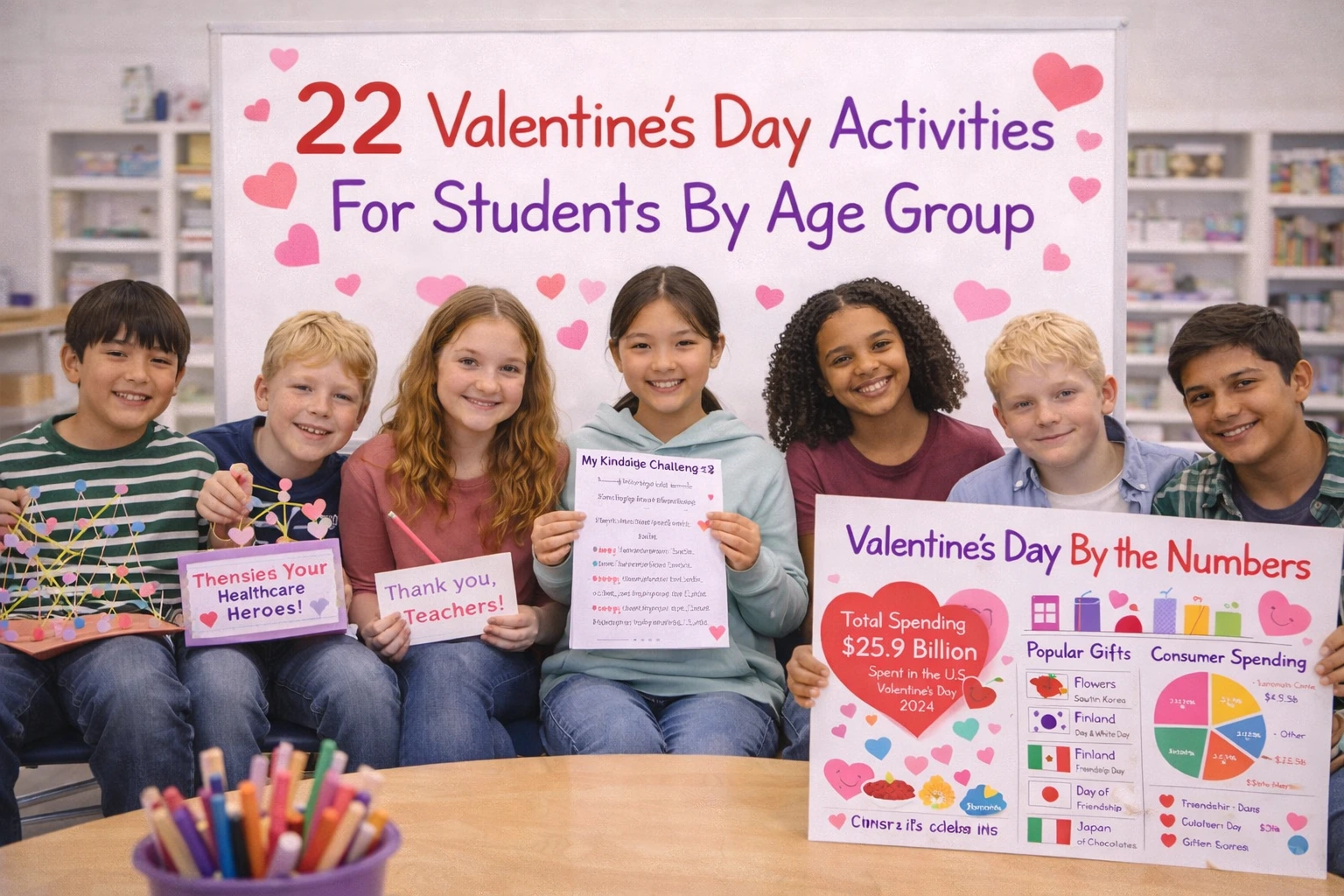
22 Easy Valentines Day Activities for Students by Age Group
Valentine’s Day in the classroom is no longer just about exchanging cards and candy—it’s an opportunity to create meaningful learning moments that build connection, creativity, and kindness among students. When done right, Valentines Day activities for students can support academic skills, social-emotional learning, and classroom community—without distractions or exclusion.
Whether you’re teaching preschoolers who thrive on hands-on play, elementary students who love collaborative projects, or middle and high schoolers who benefit from thoughtful discussions and creative challenges, choosing age-appropriate Valentines Day activities for student makes all the difference.
In this guide, you’ll find the most effective Valentines Day activities for students, organized by age group. Each activity balances learning and fun, supports diverse learners, and aligns with what teachers actually need.
Key Takeaways
- Valentines Day works best when it’s inclusive: Focus on kindness, collaboration, and community so every student feels involved and respected.
- Age-appropriate activities drive engagement: Matching activities to developmental levels keeps students interested and classroom management smooth.
- Learning and celebration can coexist: The most effective Valentines Day activities reinforce academic and social-emotional skills while still being fun.
Table of Contents
What Are the Best Valentines Day Activities for Students?
The best Valentines Day activities for students are inclusive, age-appropriate, and classroom-friendly, focusing on learning and connection rather than gifts or romance. They can be matched with Valentines Day Crafts for Kids. Here are the most effective options:
- Kindness-based activities such as compliment walls, gratitude notes, or classroom kindness challenges that help build a positive learning environment.
- Creative, hands-on projects like card making, art stations, or collaborative displays that encourage self-expression and fine motor skills.
- Academic-integrated activities including Valentines Day–themed math problems, writing prompts, or data analysis that keep learning on track.
- Group and collaborative activities such as STEM challenges, storytelling, or book-sharing sessions that promote teamwork and communication.
- Community-focused projects where students create cards or messages for school staff or local organizations, reinforcing empathy and civic values.
These Valentines Day activities for students work across grade levels and are widely used by teachers because they are easy to implement, meaningful, and inclusive for all students.
Valentines Day Activities for Students: Preschool (Ages 3–5)
Valentines Day activities for preschool students should focus on hands-on play, simple creativity, and early social-emotional learning. At this age, children are still developing fine motor skills, language, and emotional awareness—so the best classroom activities are short, engaging, and centered around friendship and kindness, not romantic concepts.
Below are highly relevant, classroom-tested Valentines Day activities for preschool students.
1. Heart Collage Art Station
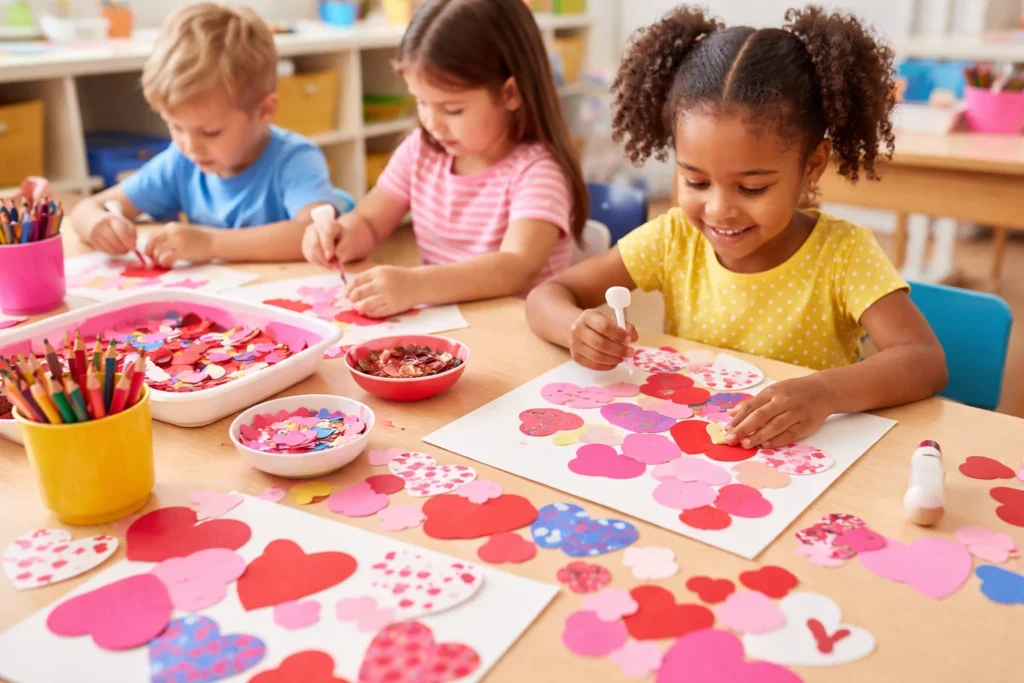
Preschoolers create a collage using pre-cut paper hearts, glue sticks, and crayons or stickers.
This activity strengthens fine motor skills while allowing children to explore colors, shapes, and textures. It also encourages creativity without strict rules—perfect for open-ended learning.
2. Valentines Day Sensory Bin
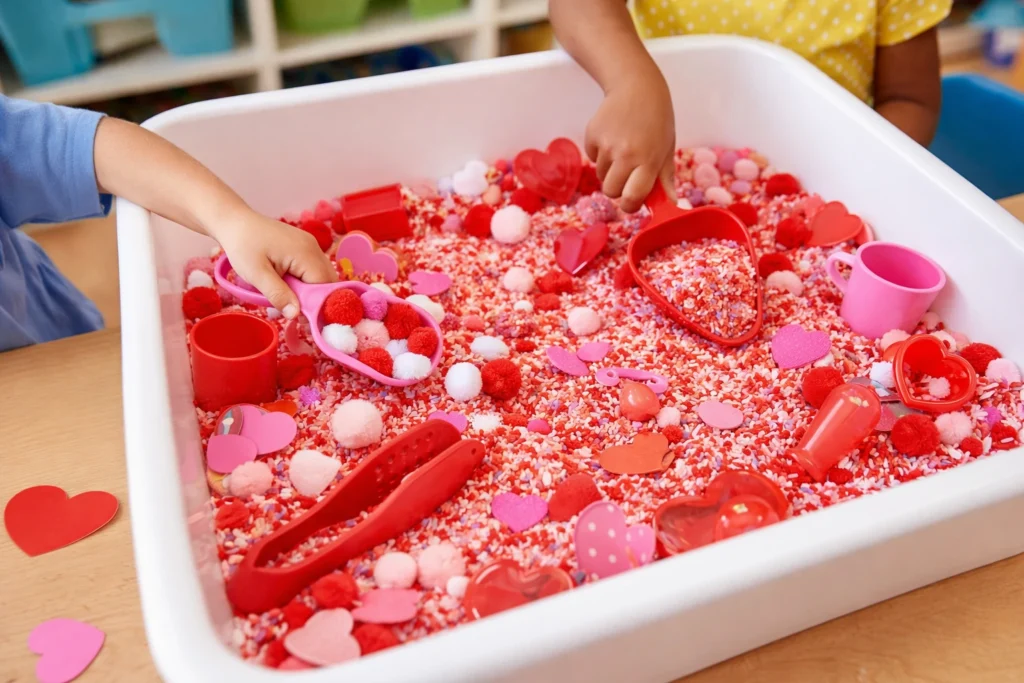
Fill a sensory bin with red and pink objects like pom-poms, plastic hearts, scoops, and cups.
Sensory play supports early cognitive development, hand-eye coordination, and calm focus—making it an excellent choice for center-based classroom learning.
3. Heart Sorting and Matching Game
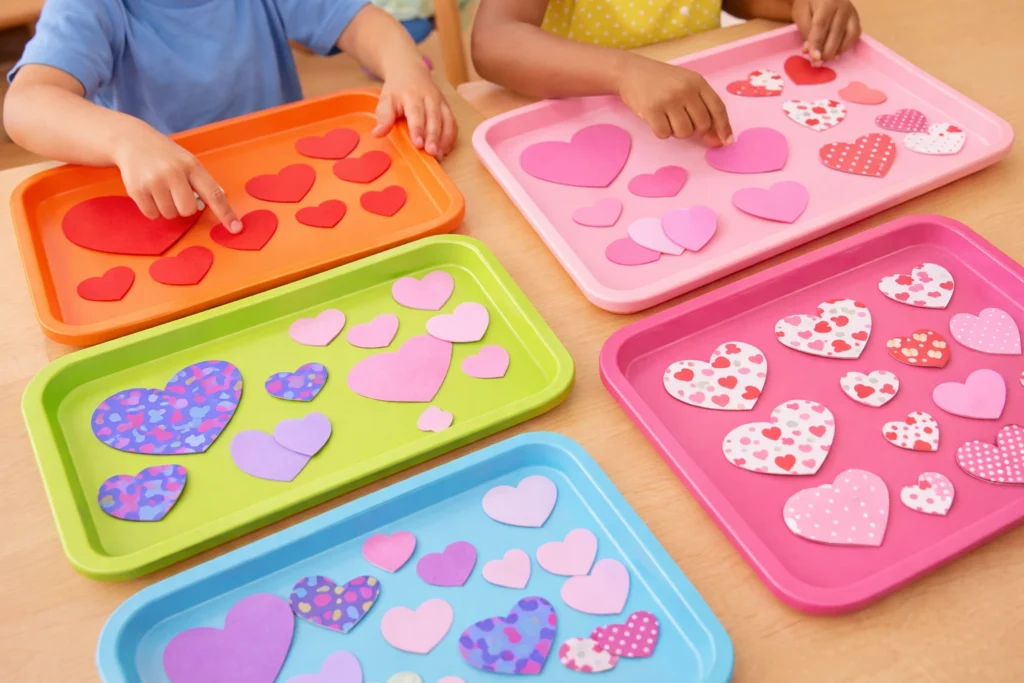
Children sort hearts by color, size, or pattern using trays or mats. This playful activity builds early math skills such as categorization, counting, and visual discrimination while keeping the Valentines Day theme intact.
4. Friendship Story Time + Circle Talk
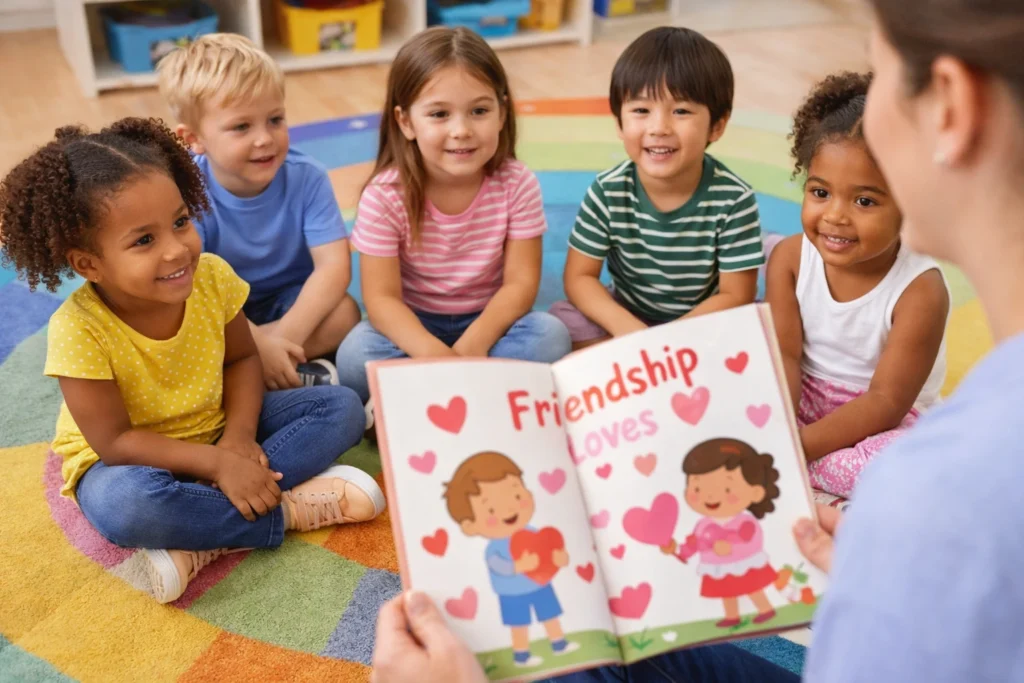
Read a preschool-friendly Valentines Day or friendship-themed book, followed by a short group discussion about being kind and helping friends. This supports early language development and social-emotional learning while creating a calm, connected classroom moment.
5. Love Bug Classroom Hunt
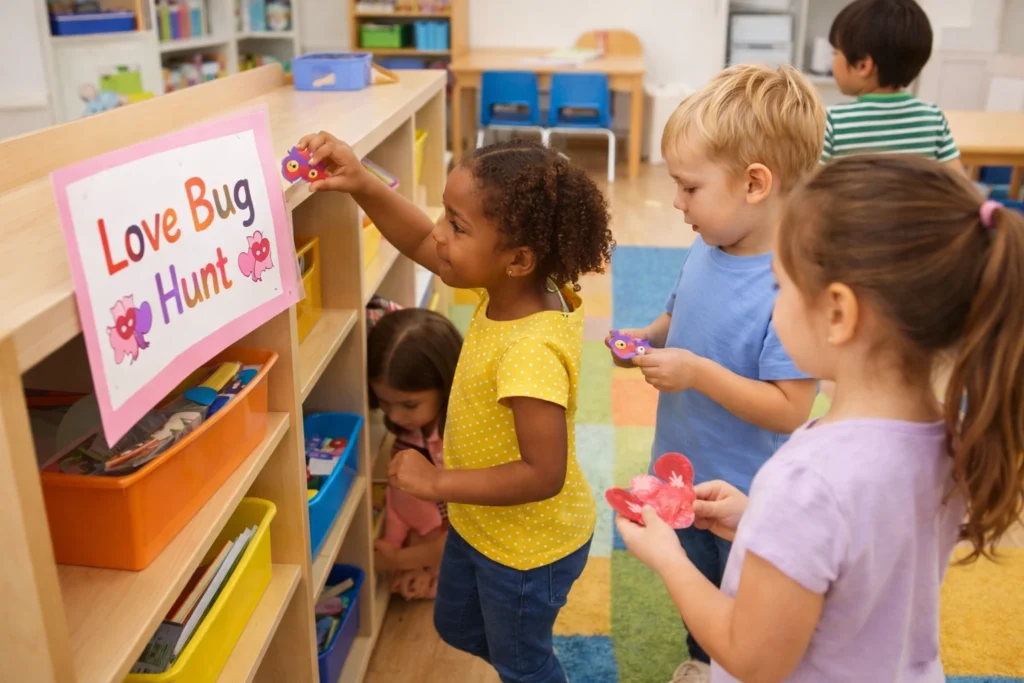
Paper “love bugs” or hearts are hidden around the classroom for students to find and decorate afterward. This combines movement, problem-solving, and creative play—ideal for preschoolers who need active engagement.
Valentines Day Activities for Students: Elementary (Ages 6–10)
Valentines Day activities for elementary students should strike a balance between creativity, learning, and social connection. At this stage, students are developing stronger academic skills, deeper friendships, and a growing sense of empathy—making the classroom an ideal place to frame Valentines Day around kindness, inclusion, and collaboration.
1. Valentines Day Kindness Wall
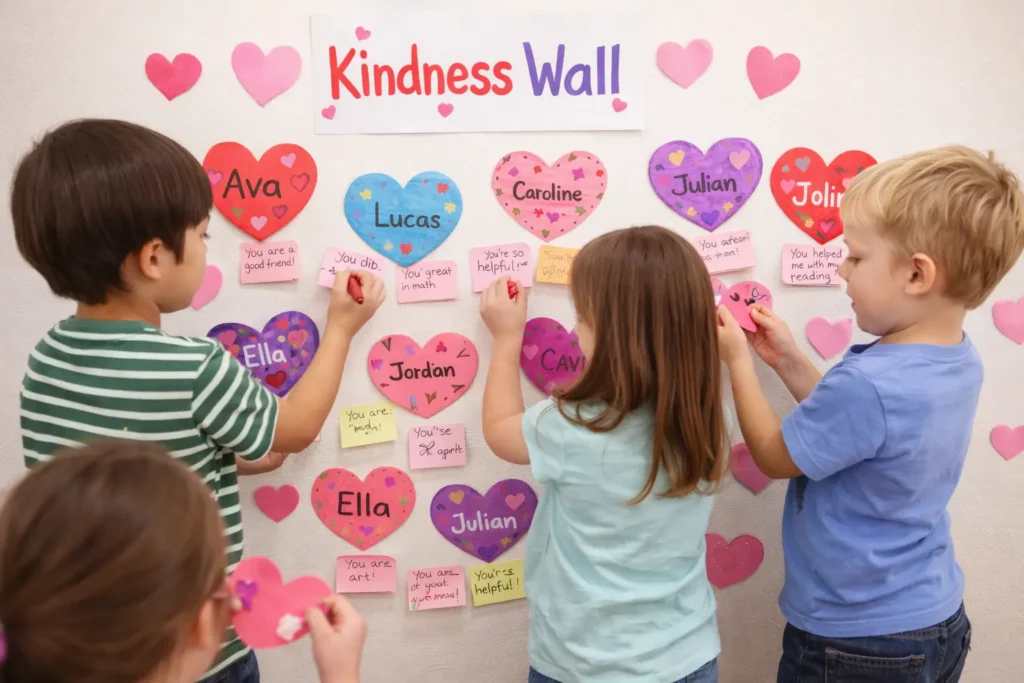
Each student decorates a paper heart with their name, displayed on a classroom wall. Classmates add short compliments or kind notes throughout the day or week. This activity builds classroom community, boosts confidence, and ensures every student feels seen and valued.
2. Heart-Themed Math Centers
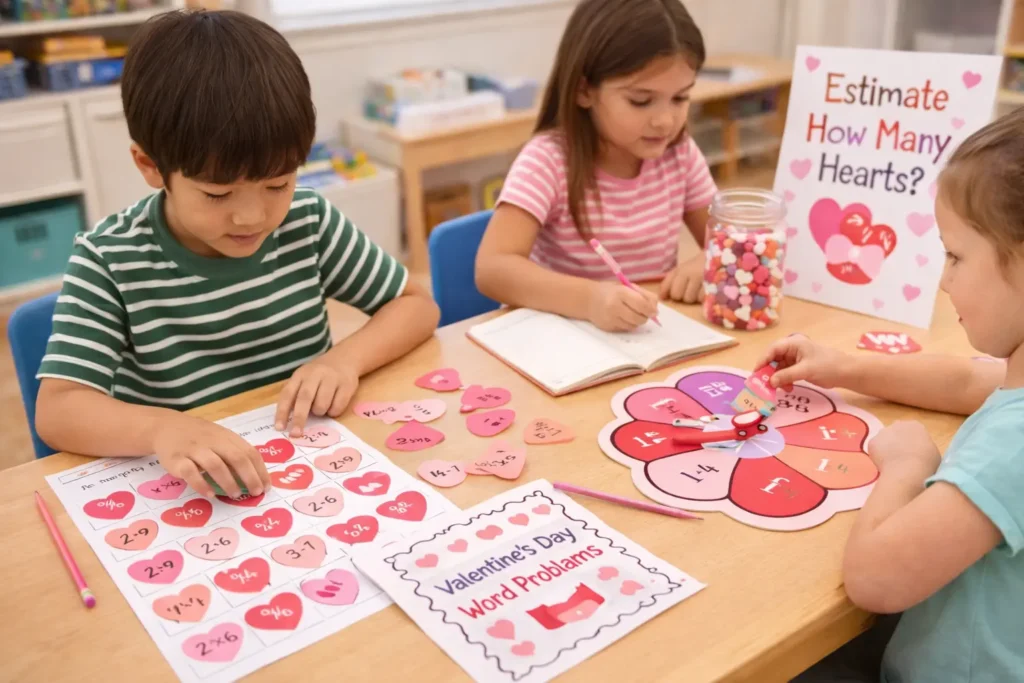
Use hearts to practice math skills such as counting, estimation, multiplication, or fractions. Examples include estimating how many hearts are in a jar or solving word problems with a Valentines Day theme. This keeps academic rigor intact while making learning festive and engaging.
3. “Books We Love” Classroom Display
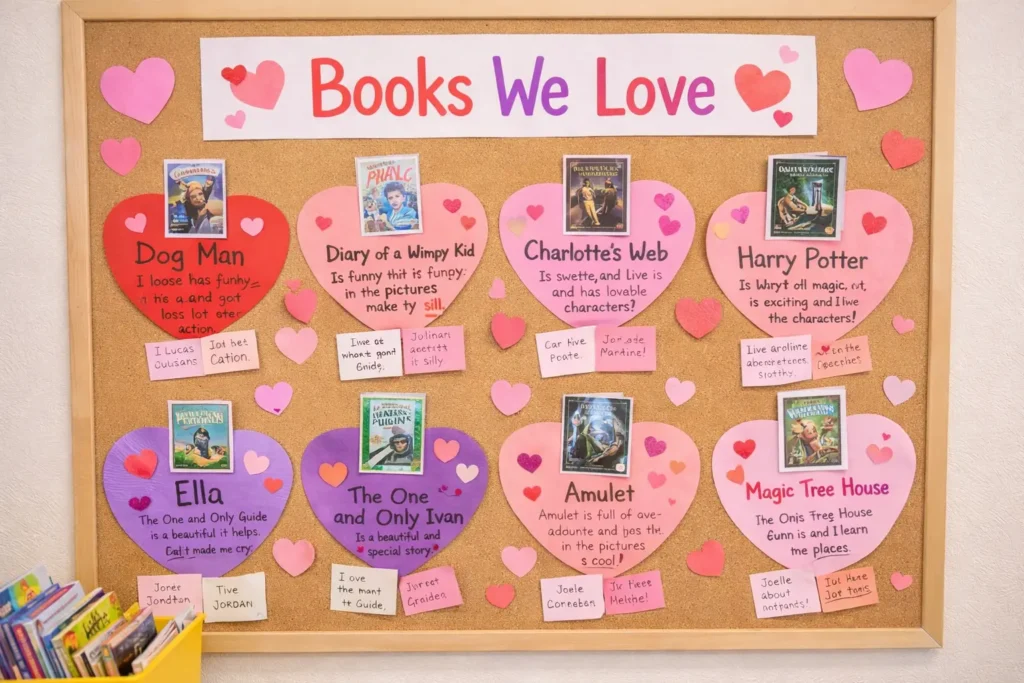
Students choose a favorite book and create a heart-shaped mini-poster explaining why they love it. Display all entries on a bulletin board. This literacy-focused activity promotes reading, peer recommendations, and confidence in sharing personal interests.
4. Valentines Day Writing Prompt: Kindness & Friendship
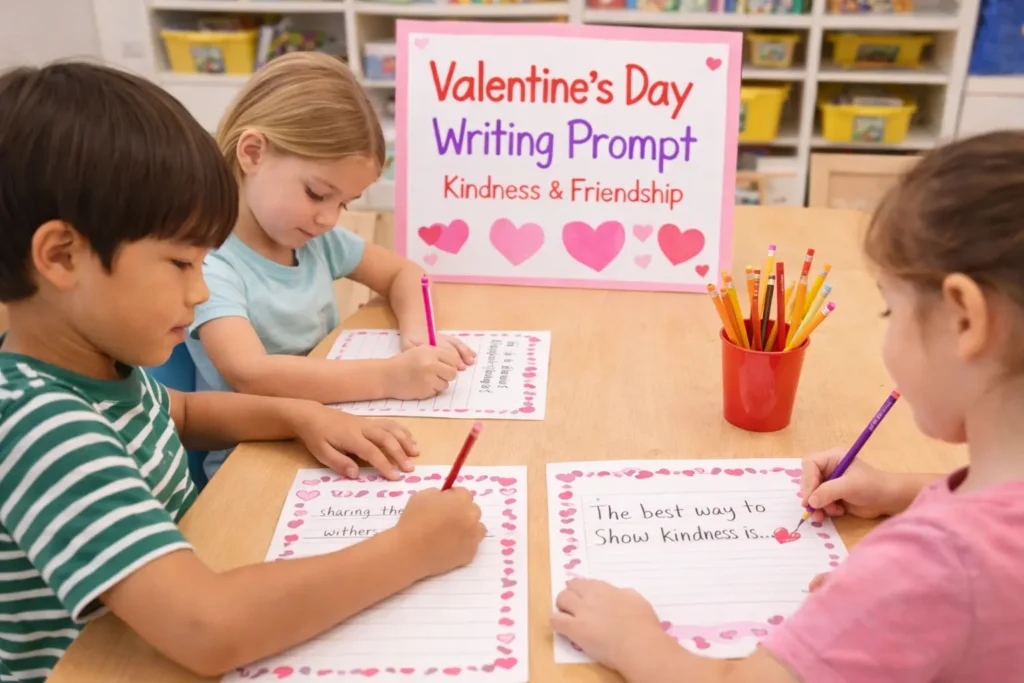
Provide a guided writing prompt such as “The best way to show kindness is…” or “A time a friend made me feel special.” This supports writing fluency, emotional reflection, and aligns naturally with SEL goals.
5. Classroom Giving Project
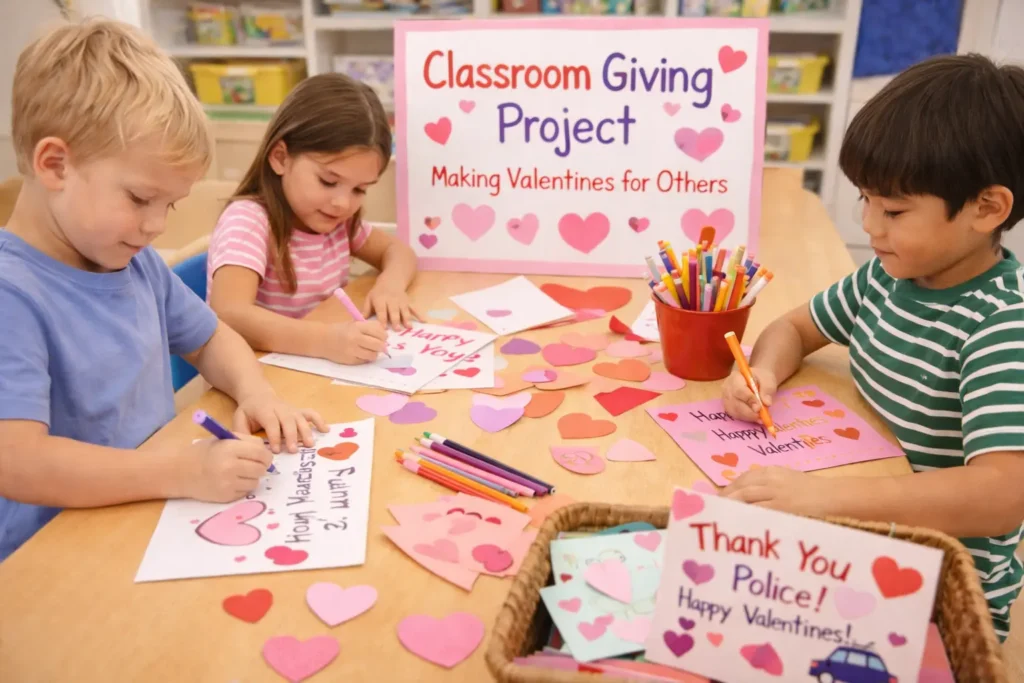
Students create Valentines cards or drawings for school staff, community helpers, or local seniors.
This shifts the focus from receiving to giving and teaches empathy, gratitude, and civic awareness in a developmentally appropriate way.
Valentines Day Activities for Students: Middle School (Ages 11–13)
Valentines Day activities for middle school students should be engaging without being childish and thoughtful without being awkward. At this age, students are developing independence, critical thinking, and social awareness—so classroom activities work best when they focus on friendship, identity, kindness, and creativity, rather than traditional Valentine themes.
1. Valentines Day Writing & Opinion Prompt
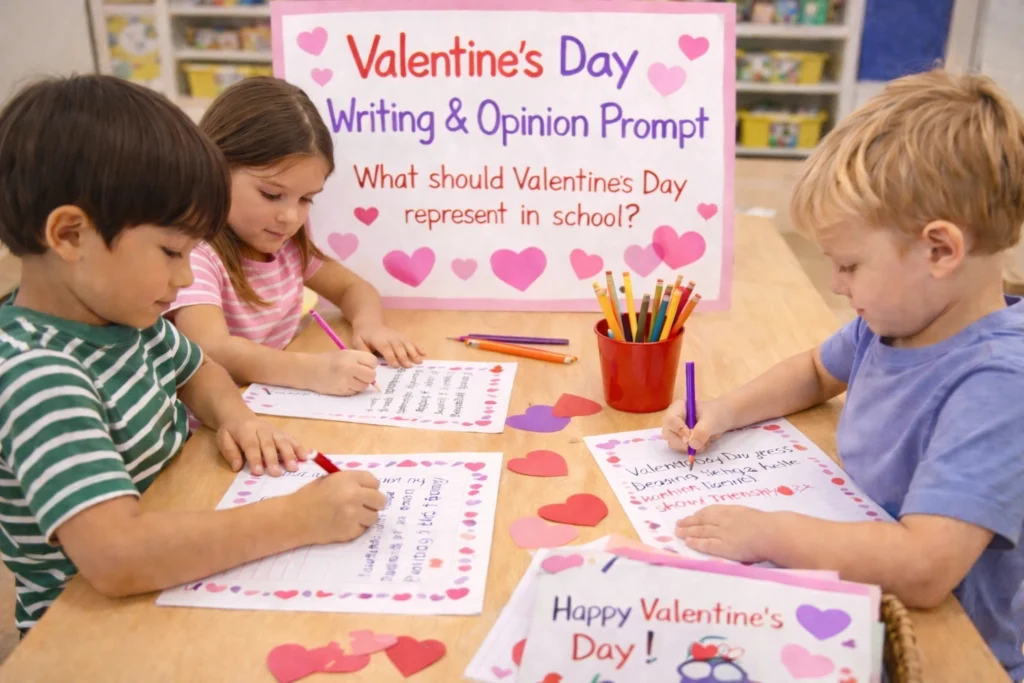
Students respond to a prompt such as “What should Valentines Day represent in school?” or “Why kindness matters more than gifts.” This activity builds persuasive writing skills, critical thinking, and respectful discussion, while giving students space to express their perspectives.
2. Celebrating Friendship Around the World
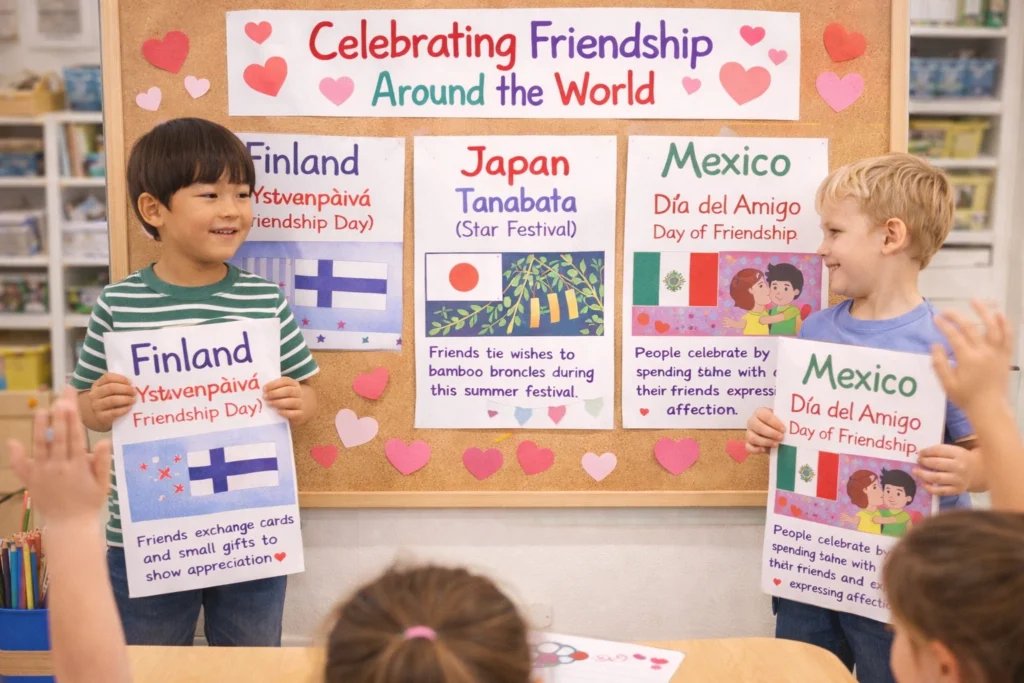
Students research how different cultures celebrate friendship, appreciation, or similar holidays. They present short summaries or posters. This social studies–focused activity promotes cultural awareness and global thinking, expanding Valentines Day beyond a single narrative.
3. Literary Character Valentines
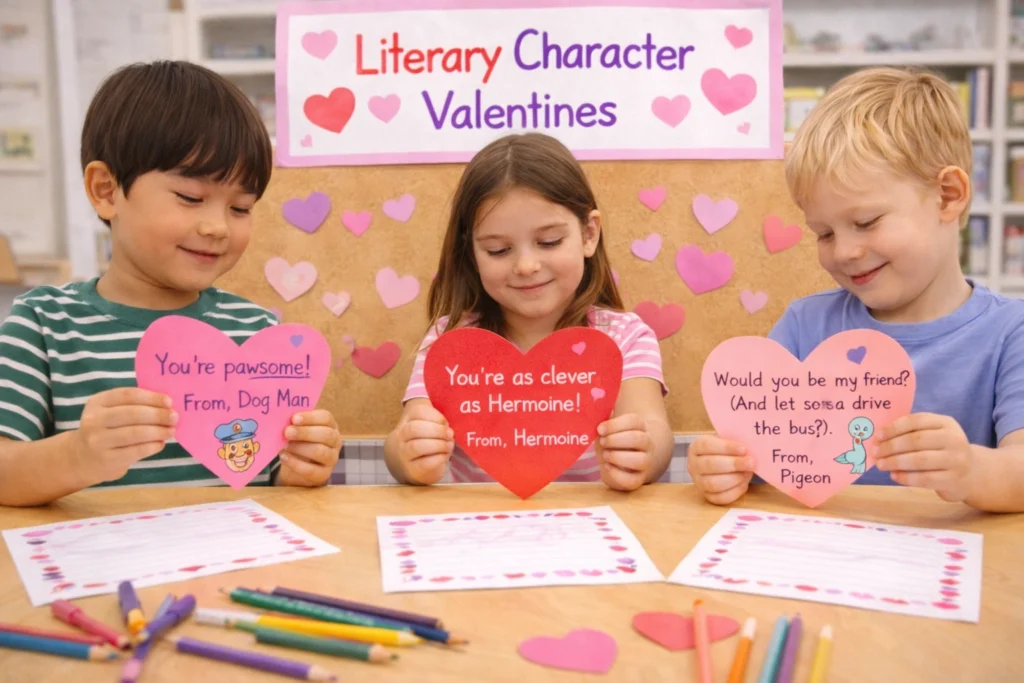
Students write a Valentines-style message from the perspective of a character from a book they’ve read. This reinforces character analysis, tone, and voice in a creative, low-pressure format that feels fun rather than forced.
4. Valentines Day STEM Challenge
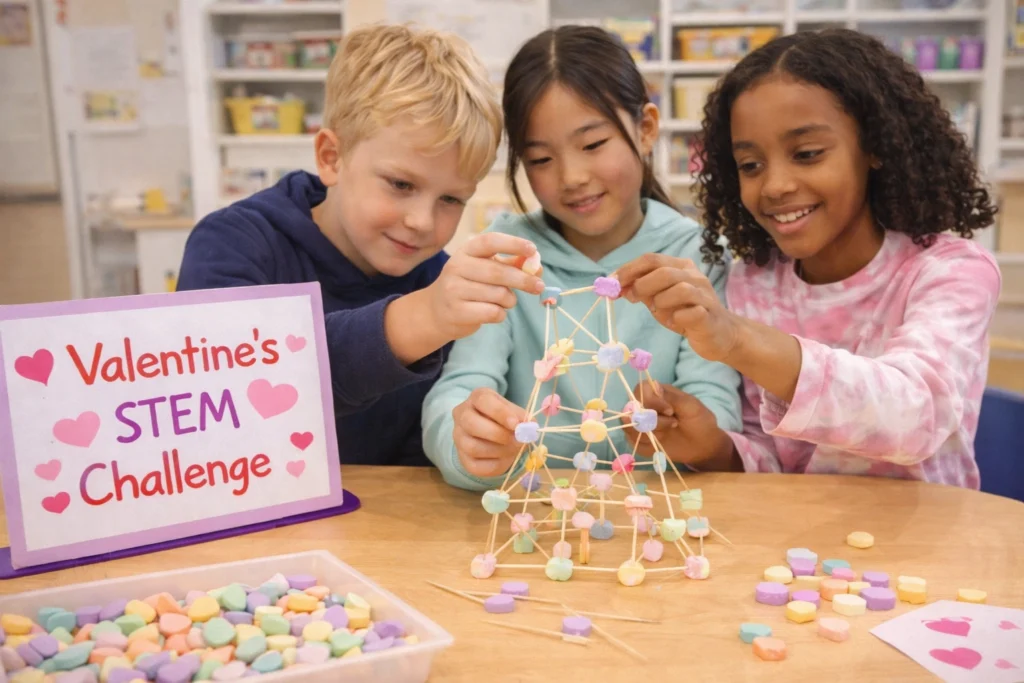
In small groups, students complete a challenge such as building the tallest structure using candy hearts and toothpicks or designing a simple Valentine-themed launcher.
This encourages collaboration, problem-solving, and hands-on learning—key for keeping middle schoolers engaged.
5. Kindness Challenge Week
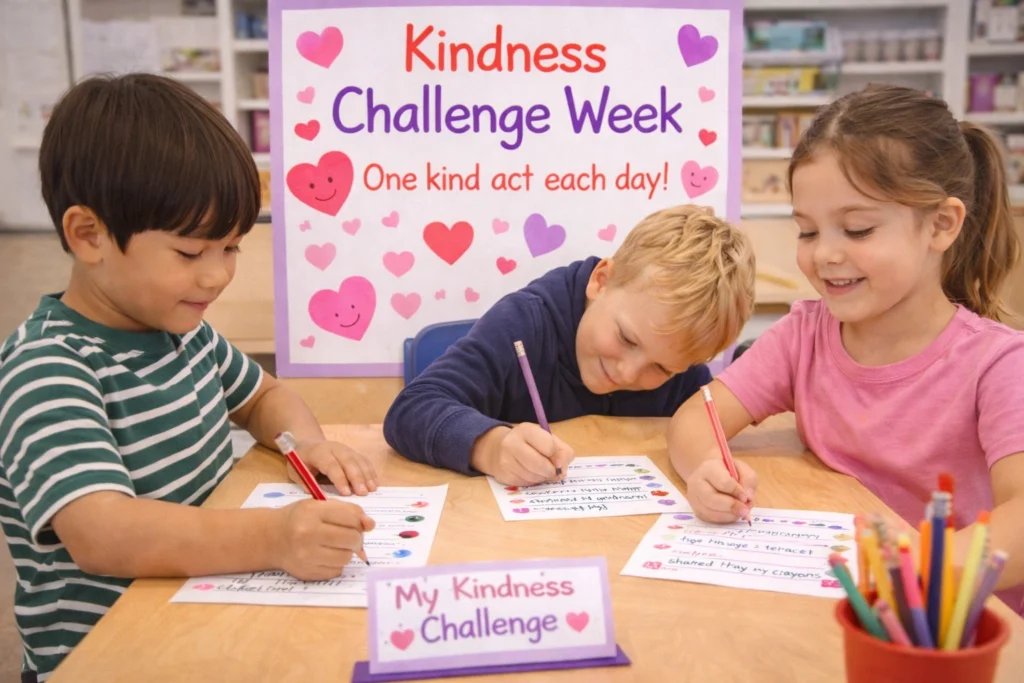
Launch a classroom or grade-level kindness challenge where students complete one small act of kindness each day and reflect briefly.
This supports social-emotional learning and helps normalize positive behavior during a socially sensitive age.
6. Valentines Day Data Activity
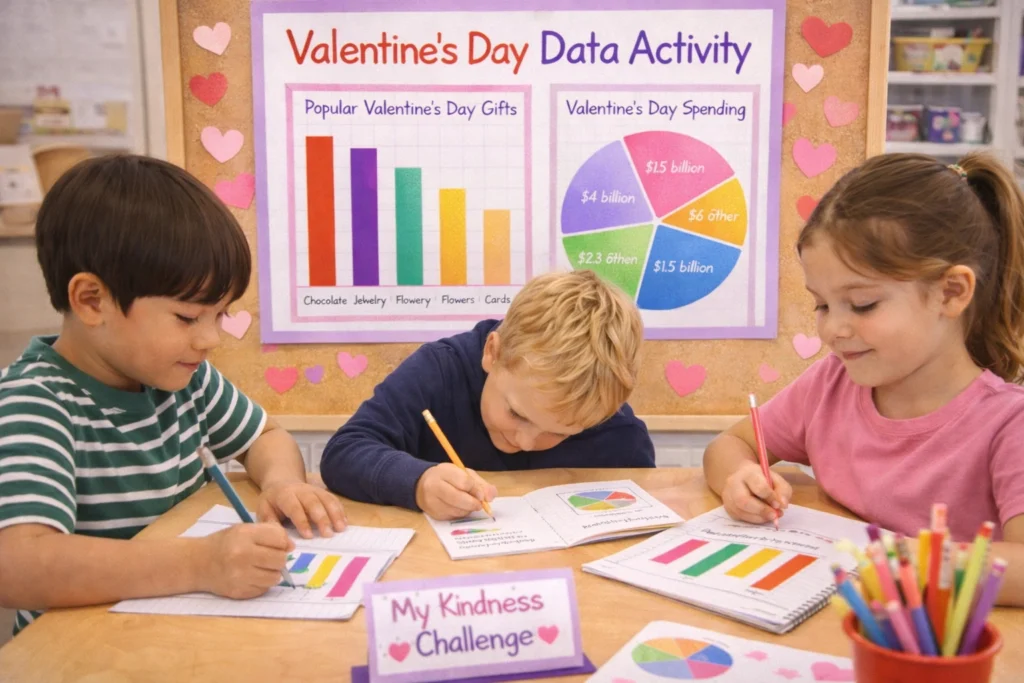
Students analyze simple statistics related to Valentines Day, such as spending trends or popular gifts, and create charts or mini-infographics.
This integrates math, data literacy, and real-world relevance while encouraging analytical thinking.
Valentines Day Activities for Students: High School (Ages 14–18)
Valentines Day activities for high school students should feel relevant, respectful, and intellectually engaging. At this stage, students are highly aware of social dynamics, identity, and inclusion—so effective classroom activities avoid clichés and instead focus on critical thinking, creativity, community, and self-expression.
1. Valentines Day Critical Thinking Discussion or Essay
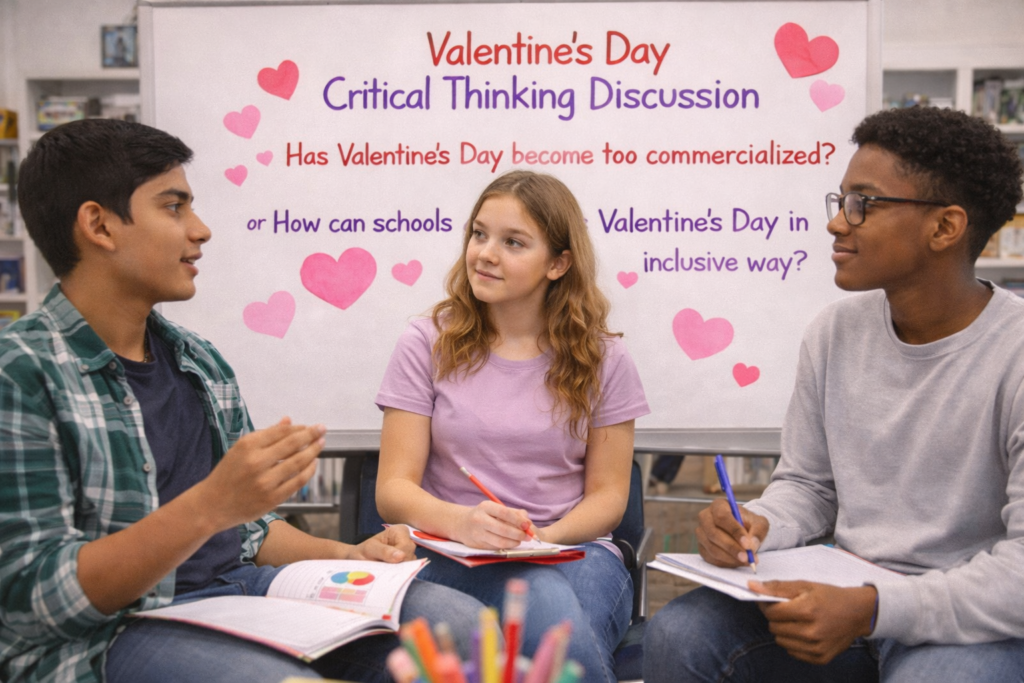
Students explore prompts such as “Has Valentines Day become too commercialized?” or “How can schools celebrate Valentines Day in an inclusive way?”
This activity strengthens argumentation, reasoning, and respectful debate while encouraging students to analyze social norms.
2. Quote Analysis: Love, Kindness, and Humanity
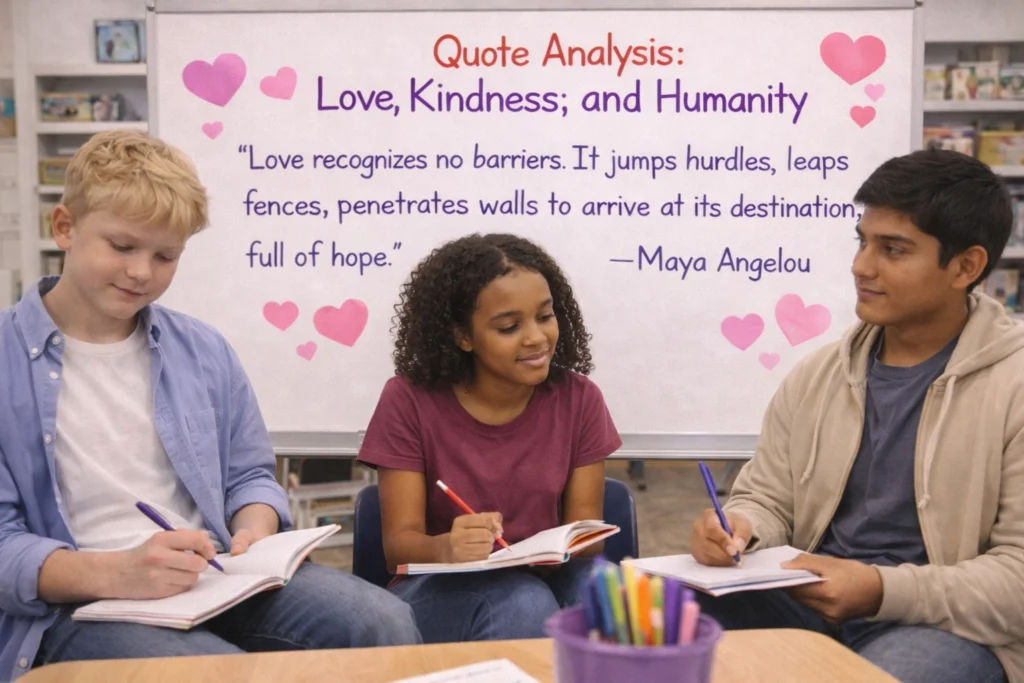
Students select a quote related to love, compassion, or connection from literature, history, or pop culture and analyze its meaning.
This supports literary analysis, personal reflection, and interpretation skills in a way that feels mature and purposeful.
3. Community Appreciation Project
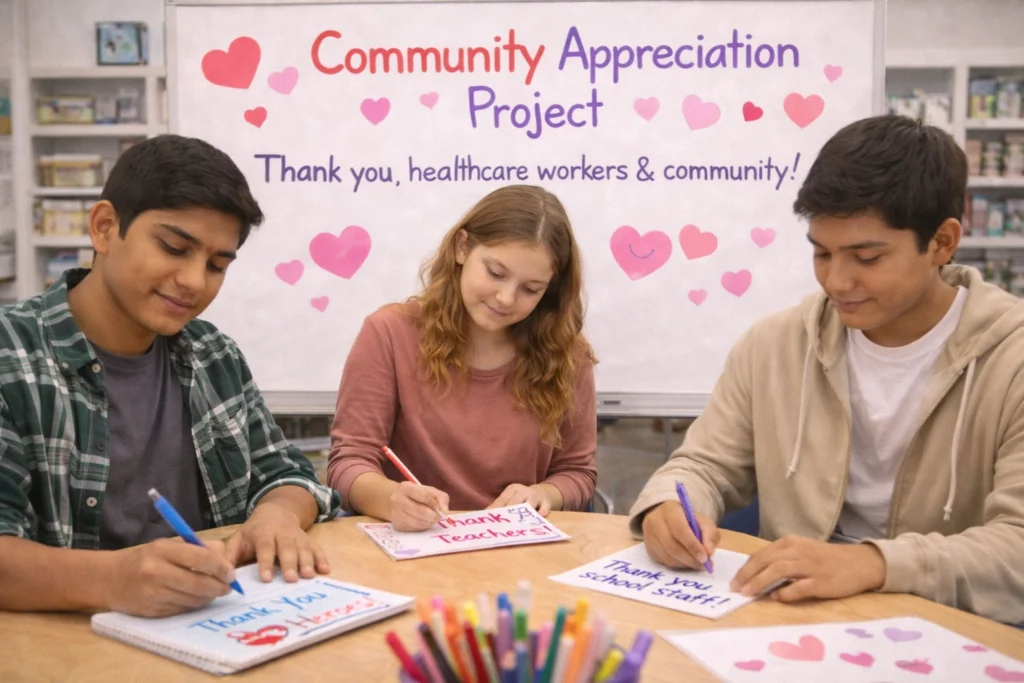
Students create thank-you cards or messages for teachers, school staff, healthcare workers, or community members.
This reinforces gratitude, empathy, and civic responsibility—values that resonate strongly with older students.
4. Valentines Day Data & Infographic Project
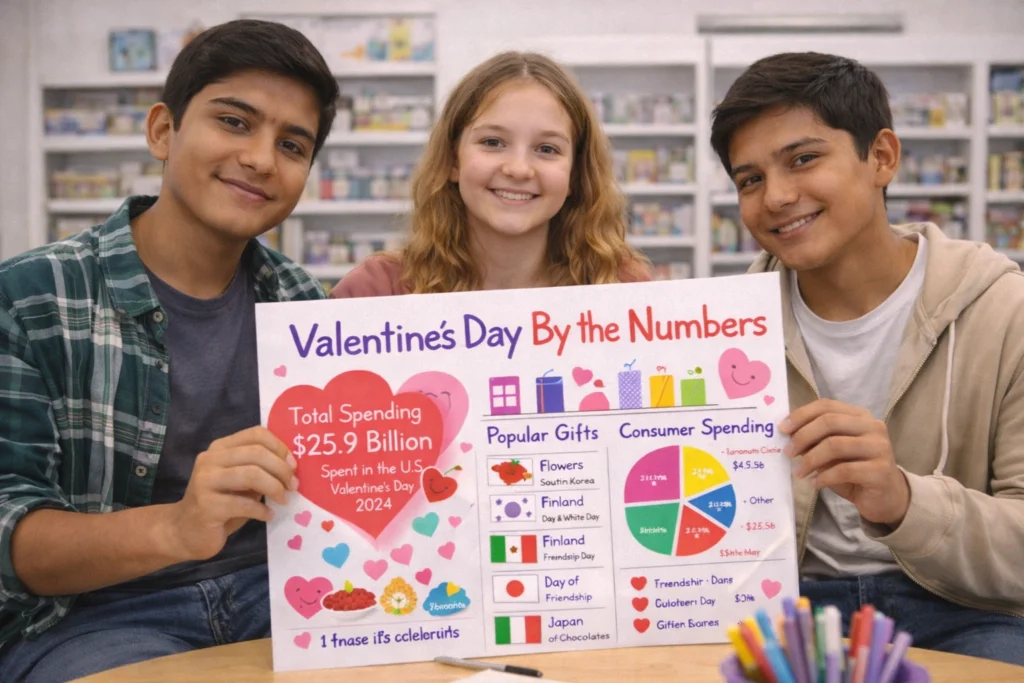
Students research Valentines Day–related statistics (spending habits, consumer trends, cultural differences) and design an infographic.
This integrates research skills, data literacy, and visual communication, making the holiday academically relevant.
5. Book or Media “Speed Sharing”
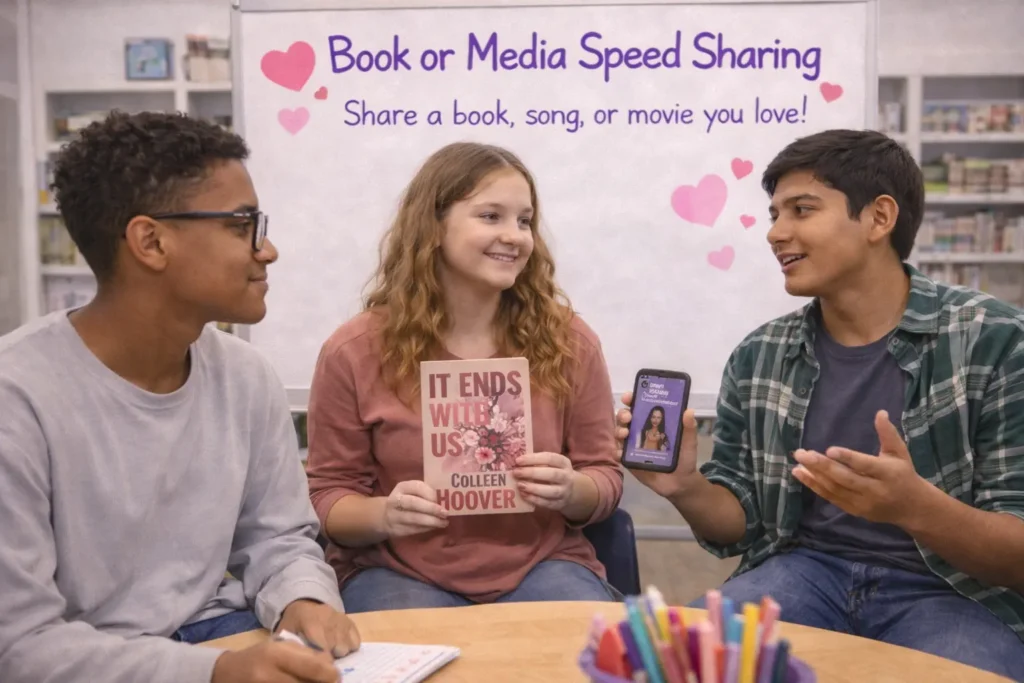
Students briefly share a book, song, film, or article they love and explain why it matters to them.
This encourages public speaking, peer connection, and confidence while keeping the focus on shared interests rather than romance.
6. Creative Writing: Redefining Valentines Day
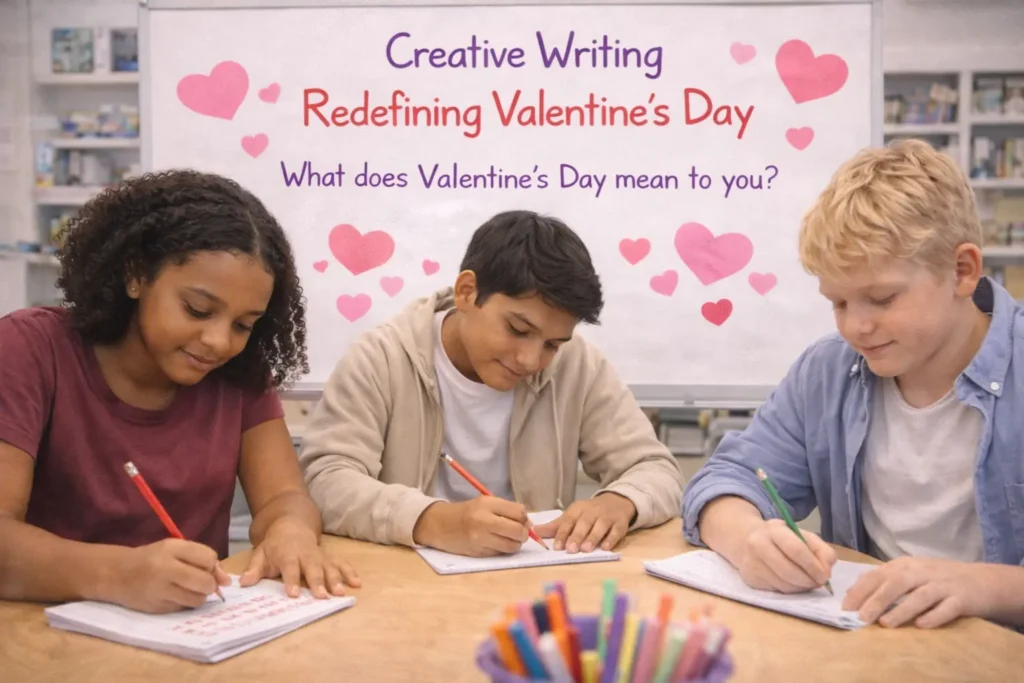
Students write a poem, short essay, or reflection redefining what Valentines Day means to them—friendship, self-respect, family, or purpose.
This offers a safe outlet for self-expression and allows students to engage with the holiday on their own terms.
Tips for Planning Valentines Day Activities for Students
Use these practical tips to plan Valentines Day activities that are inclusive, engaging, and easy to manage in a classroom setting. Each point is designed for quick scanning and real classroom constraints.
- Prioritize inclusion over tradition: Choose activities that involve every student equally—avoid gift exchanges, popularity-based games, or pair-only activities.
- Match activities to the age group: Hands-on play works best for younger students, while older students respond better to discussion, creativity, and real-world relevance.
- Blend learning with celebration: Integrate Valentines Day themes into existing lessons like writing, math, reading, or social studies instead of treating the day as “off-task.”
- Keep materials simple and accessible: Use low-cost, classroom-ready supplies to reduce prep time and avoid stress for teachers and families.
- Focus on kindness, not romance: Frame all activities around friendship, gratitude, respect, and community to keep the celebration school-appropriate.
- Set clear expectations upfront: Explain the purpose of the activities and model respectful behavior to keep the day structured and positive.
- Plan for flexibility: Have both short and extended activities available so you can adapt to time limits or student energy levels.
This approach ensures your Valentines Day activities support learning goals, social-emotional development, and classroom harmony—without unnecessary pressure or distraction.
FAQs
What are some fun Valentines Day activities for kids?
Fun Valentines Day activities for kids include heart-themed crafts, kindness challenges, simple games, and creative writing or drawing projects. Classroom favorites are heart collages, Valentines Day scavenger hunts, kindness notes, and storytime discussions that focus on friendship rather than gifts.
How can teachers celebrate Valentines Day in a classroom setting?
Teachers can celebrate Valentines Day by planning inclusive, low-pressure activities such as group crafts, writing prompts about kindness, math or STEM challenges with a Valentine theme, and classroom discussions about friendship and empathy.
Are Valentines Day activities appropriate for all age groups?
Yes, Valentines Day activities can be adapted for all age groups. Younger students benefit from hands-on crafts and sensory play, while older students engage more with discussions, writing, data projects, and critical thinking activities that explore themes like kindness, culture, and social norms.
What are some educational Valentines Day activities for older students?
For middle and high school students, effective Valentines Day activities include persuasive writing prompts, quote analysis, data and infographic projects, STEM challenges, and community appreciation projects. These activities maintain academic rigor while connecting learning to real-world themes.